I can’t tell you how good it felt to just do nothing when I woke up this Sunday morning.
The semester is approaching its close. I submitted my final lab reports this week, and now I am just waiting for my final exams. So, I am studying, reading, eating, sleeping, listening to music, cleaning, organizing, planning, and playing video games now and then.
I am watching YouTube talks and rewatching some older podcasts that slipped past my radar because I was too focused on my studies. Man, it has been quite the semester.
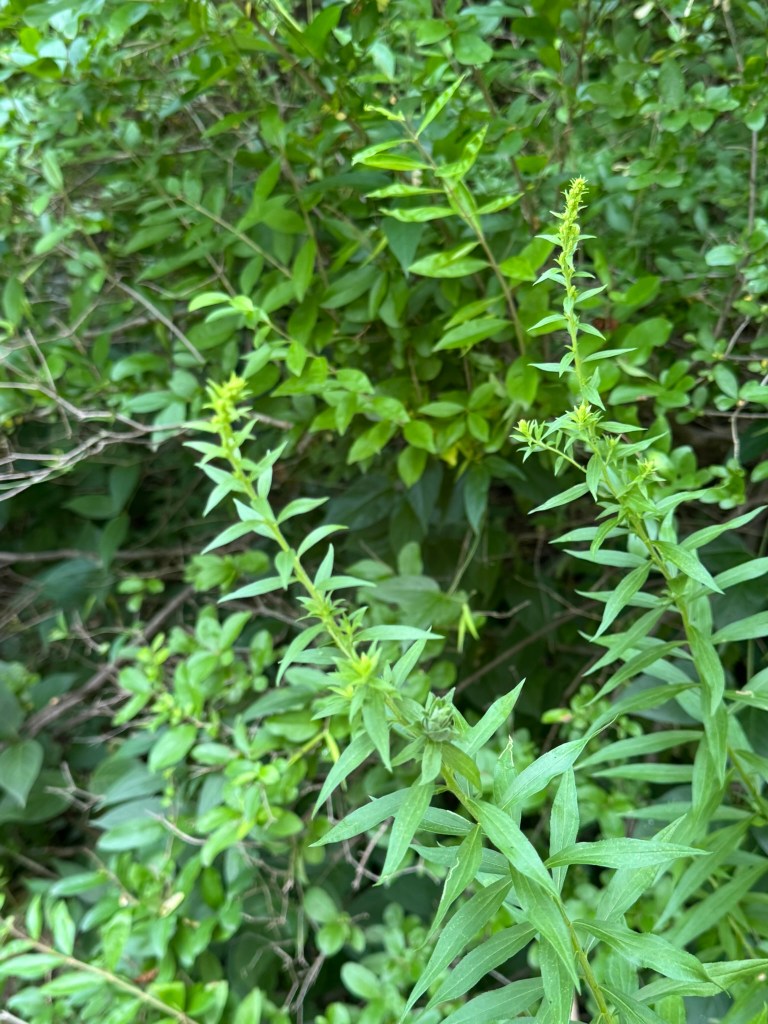
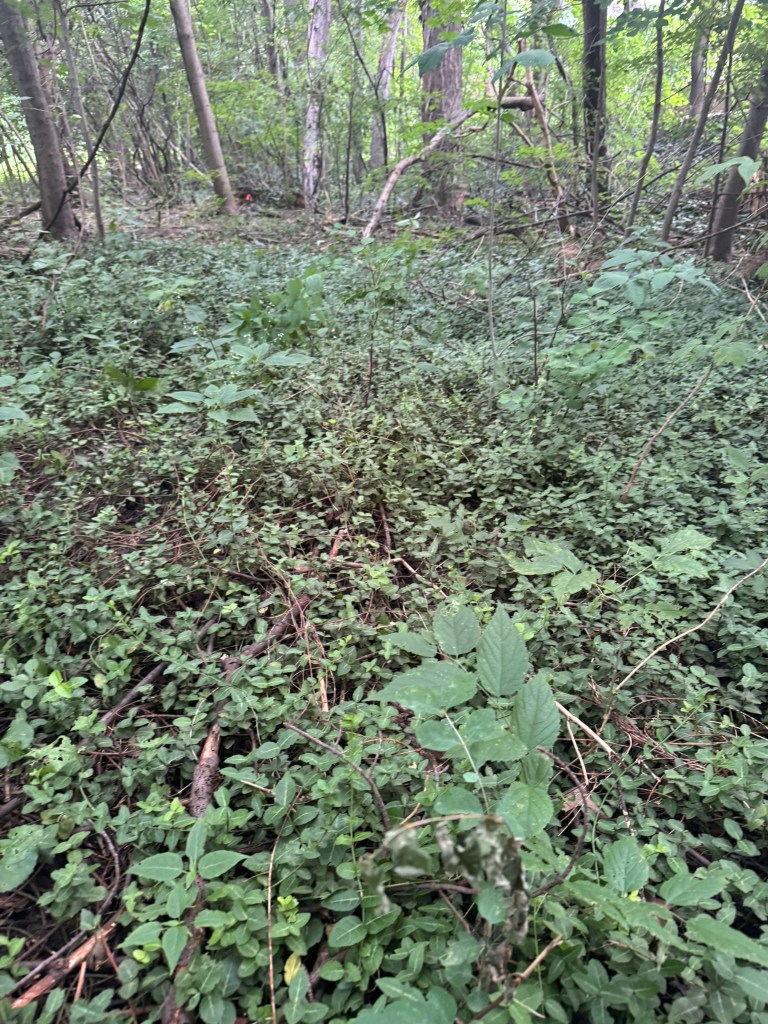
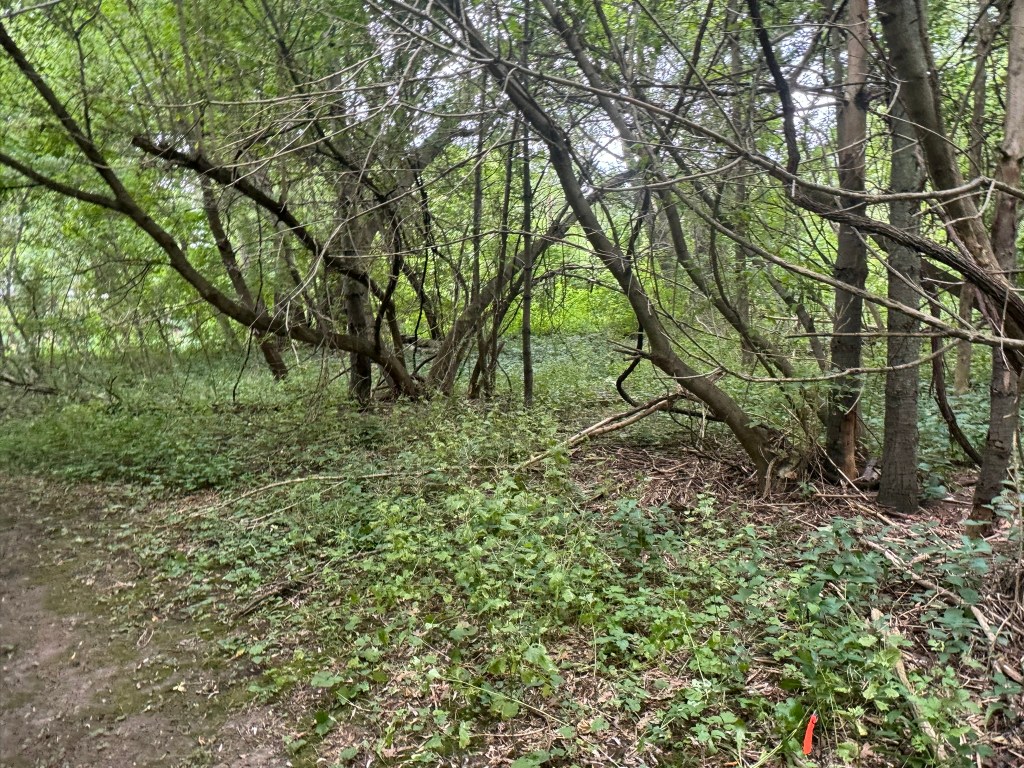
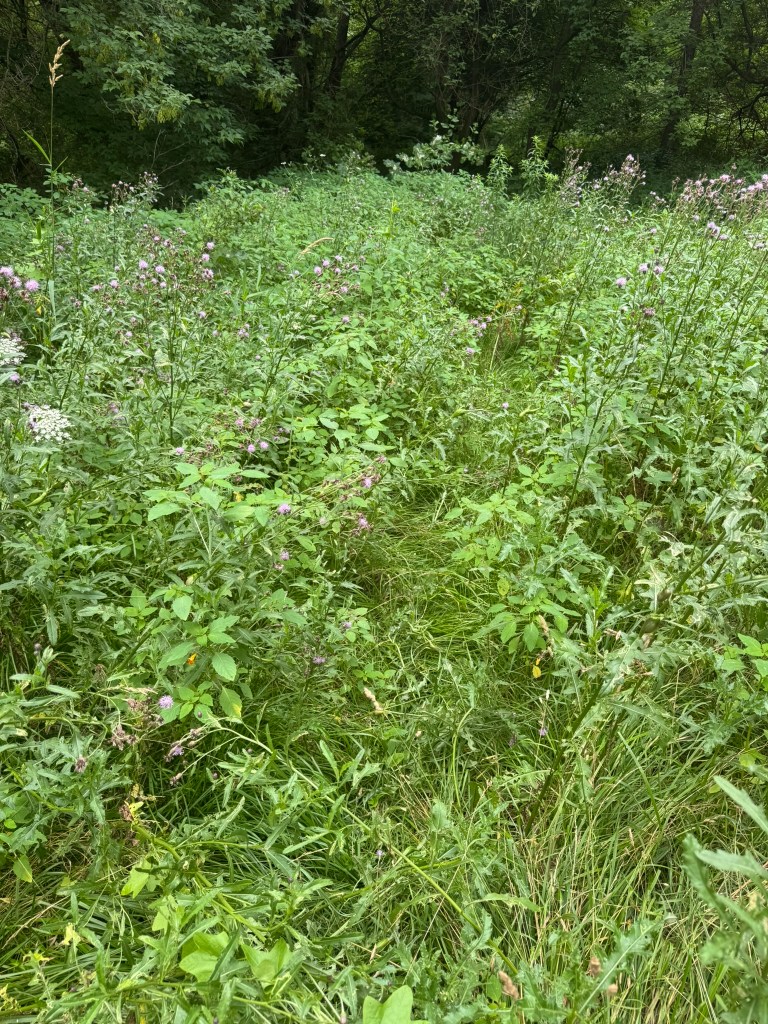
I spent a lot of time doing ecology this semester—playing with plants, flies, and insects (I beheaded a sweat bee, sorry Dr. MacGuyver!)—and it ended with me writing a report on a local community ravine.
Toronto is home to hundreds of natural parks and ecologically important reservoirs—to the point where I am almost ashamed that I didn’t start doing this kind of thing earlier! I studied garlic mustard and its invasiveness at Birkdale Ravine. Most of the study was observational, as I didn’t have the resources to do microbial tests or soil surveys, which meant I couldn’t get a definitive picture of what was going on belowground. All I could do was pick three plots, set up a transect, and study five random quadrats per transect to give myself a better idea. It wasn’t everything I had hoped to do, but it was my first time doing field work in ecology and evolution.
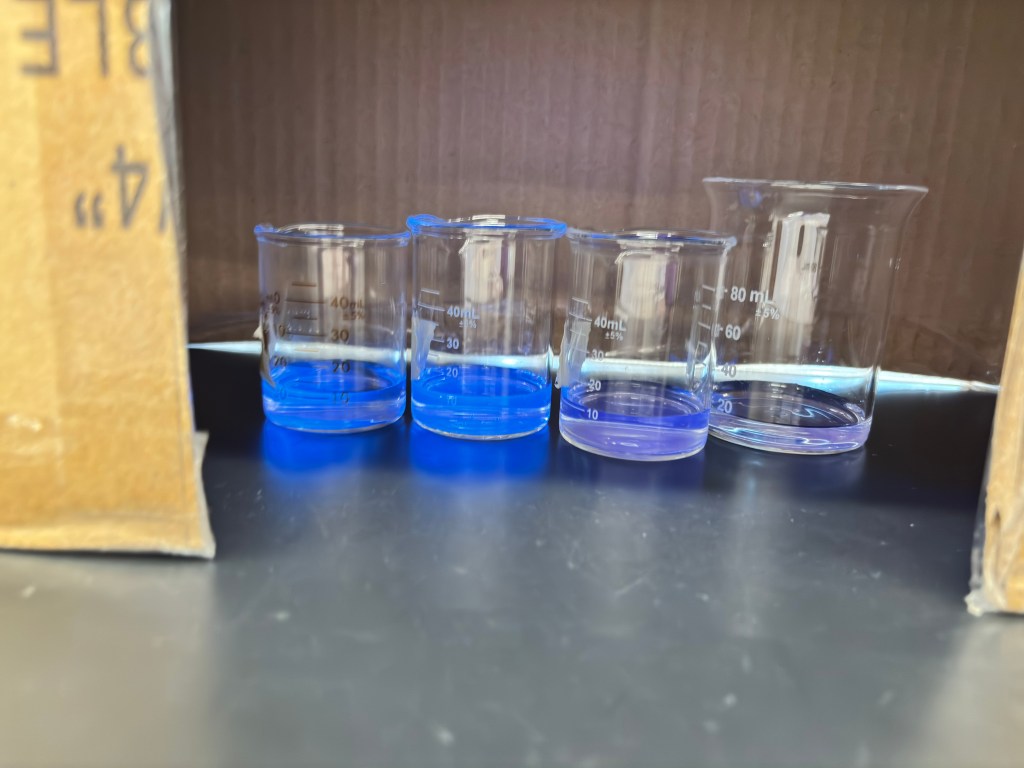
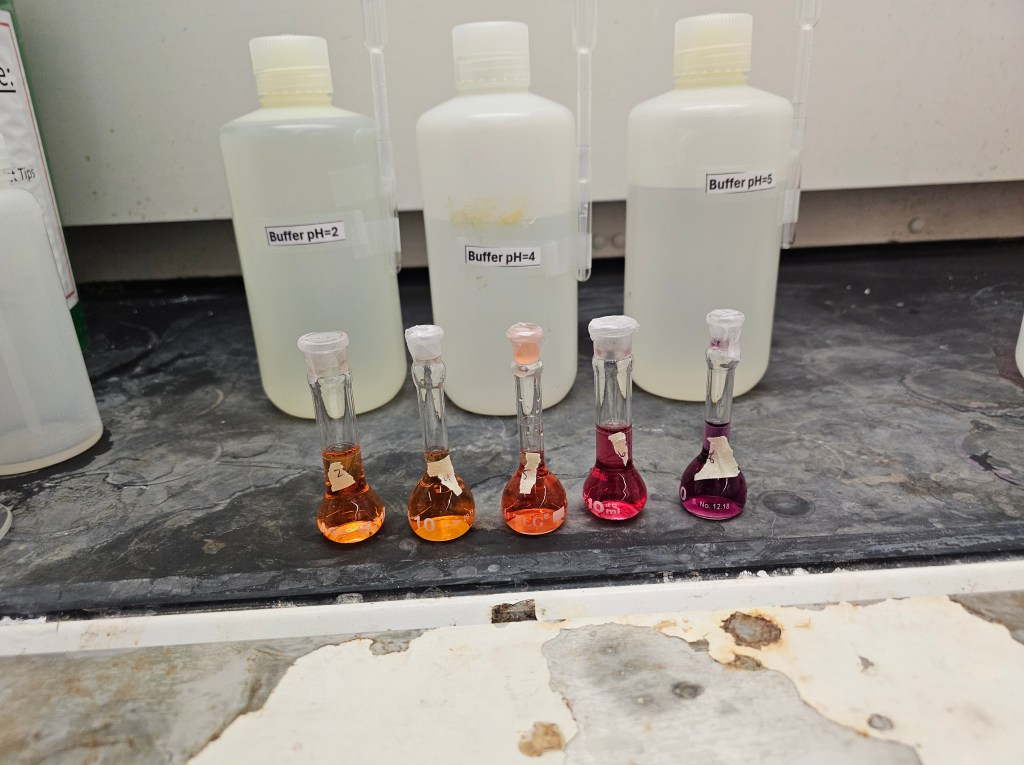
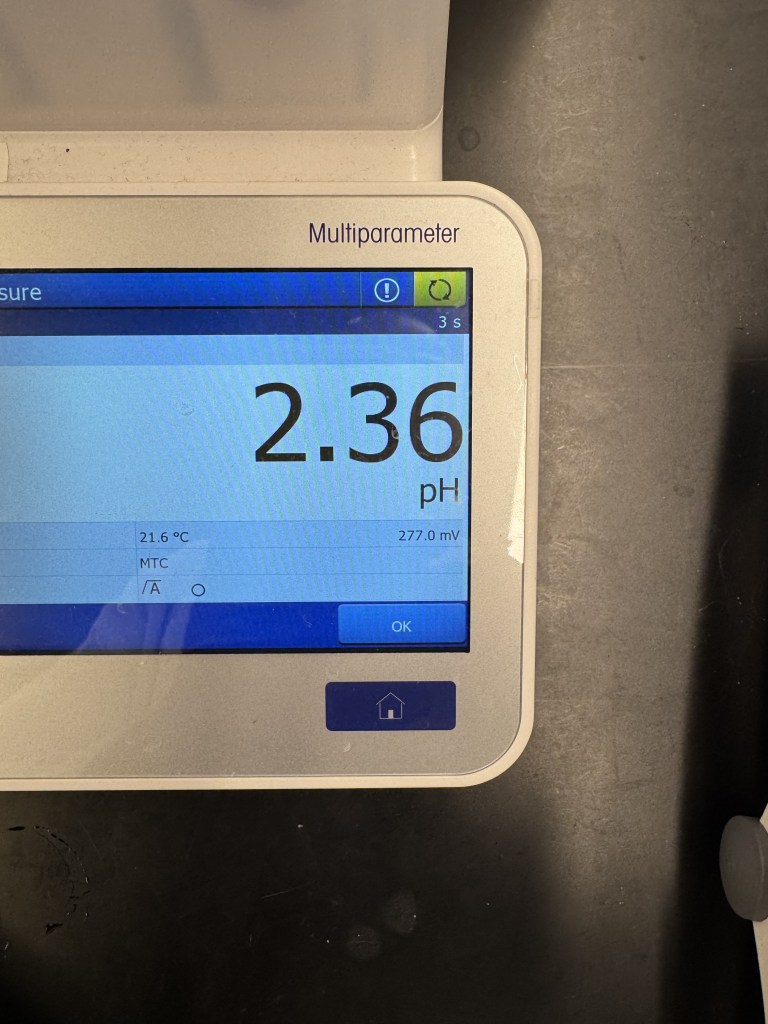
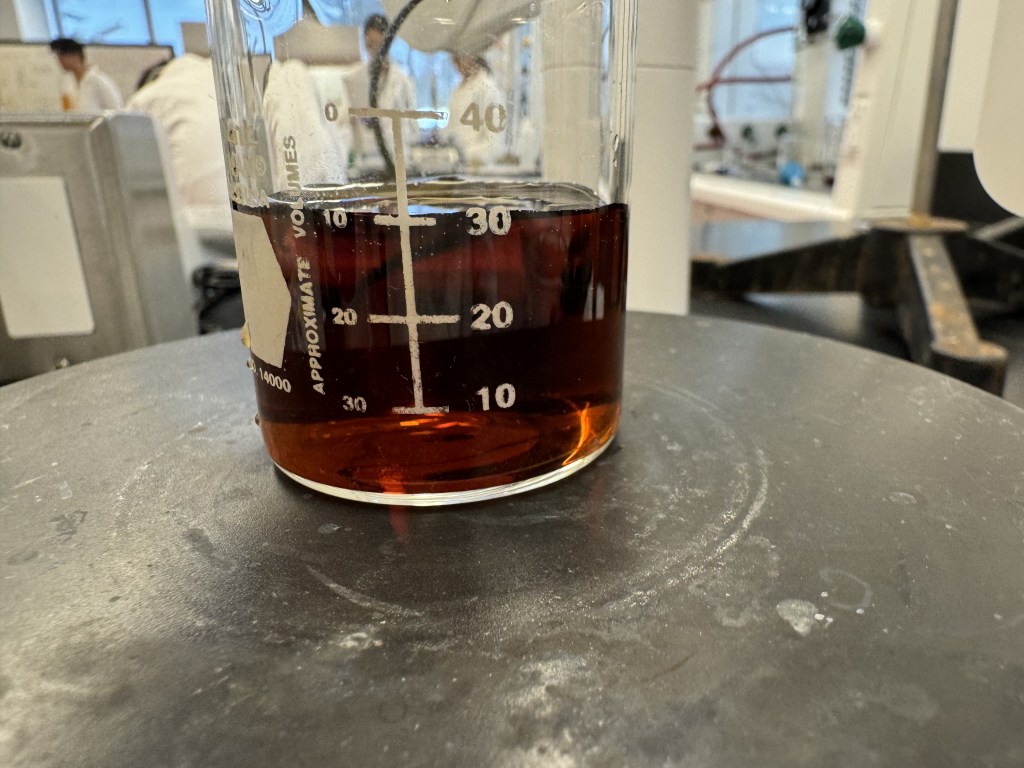
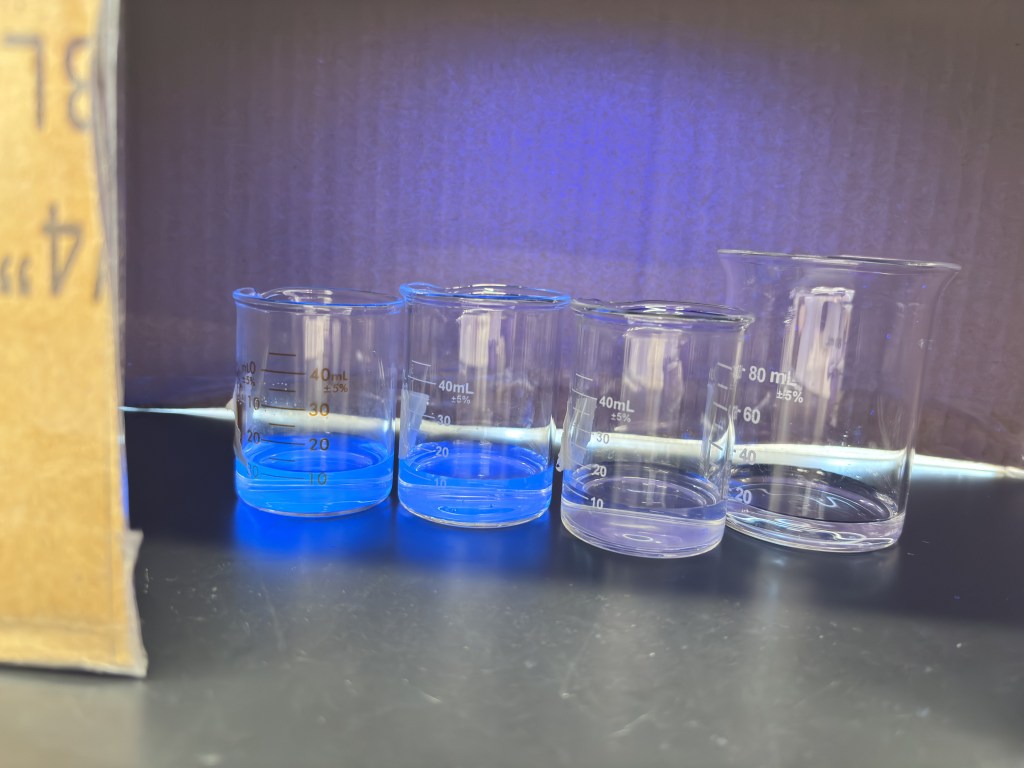
I also did weekly labs in analytical chemistry. Not being a chemist myself, I am not as familiar with this area. I have only been exposed to organic chemistry before, but analytical chemistry feels a bit more manageable. We tested tonic water, which contains quinine and was historically used as an antimalarial. Through our analysis, we determined that the sample was not an effective treatment strength.
I am quite interested in parasitology and malaria simply because of how the parasite travels within the human body—that was probably the most interesting part to me. There were other cool experiments, too: we tested cereal, cola, and a supplement to see if it actually contained its claimed dosage. There isn’t much more I can say about chemistry—it was hard work preparing for labs, writing the previous week’s report, and learning lecture material all at once, while running a biology lab course in parallel. Thankfully, the biology labs were less intense, and the assignments weren’t always full reports.
I also learned a lot about child psychology and development. It was a refreshing change of pace to learn about development from infancy to adulthood through a non-physiological lens. Understanding what a child can and can’t comprehend is probably the most important aspect of raising one. In fact, psychological development doesn’t have fixed endpoints the way physiological development does (sorry guys, it’s not going to get any bigger!). Psychological development continues throughout life—so if your father or mother acts like an immature child, well, that may actually be because their development was interrupted!
I learned about soil as well, though what I learned hasn’t fully set in yet. I am a human biology major who has taken a liking to microbiology. In fact, I am thinking of making the switch to the molecular genetics program. Both programs share similar requirements, and I have actually taken many courses outside my program that align more with microbiology.
Honestly, I have taken more courses toward a degree in plant biology than I have toward human biology! So naturally, I’d be interested in the environment. This ecology course showed me that I am much more interested in what goes on behind the scenes (in this case, below the ground).
This semester, I watched a ton of movies as well and reviewed them on my Letterboxd account. I also uploaded several of my experiments to my Tumblr community page titled “Wesker’s Lab,” where I have nine members. Nine people in my lab, guys—I am actually really happy with that, considering I don’t post too often!
A lot of the film reviews are just short one-pagers, and some are only a few sentences, but as of today, I have watched 22 movies in the past 3.5 months. I have seen 432 films (that I can remember off the top of my head) in almost 40 years of life.
TIFF 51 is just around the corner, which should be fantastic. I feel like a shift is happening in cinema, with more people returning to theaters. Either way, I think this might just be the natural flow of population dynamics.
Regardless, I have an intense year ahead of me. I won’t be in any labs at all this coming year. I am taking the next eight months to focus on lecture halls, though I’ll also be spending plenty of time at the theater. I’m taking a full-year course on documentary filmmaking as well as a half-year course on writing about movies. Alongside those two, I have Biochemistry: Proteins and Enzymes, Physics I and II, Environmental Chemistry, Water & Wind, Pathobiology of Human Disease, and a course on scientific communication through different forms of media. I am also waitlisted for a course on plant physiology.
Then, in the summer of 2027, I am heading back into the lab for chemistry and possibly ecology as well. We’ll see how far I go with this plant and environment path!
I’ve spent most of today cleaning and reflecting. It sounds a bit lame, yet it feels like something I should have been doing a lot earlier in my life—like 25 years ago.
I plan to keep watching movies before starting that hellish upcoming semester. I’ll still have labs, but they’ll be physics labs, so we’ll see how those go. I don’t think I even have to wear my lab coat for them.
I am also going to spend more time teaching my parents things and showing my mom ways to make daily life a little easier. I will be in the garden a lot, applying fertilizer and other bio-organics (I aim to make the garden soil nutrient-rich and hospitable to local wildlife). I already have a whole bunch of insects hanging around my place—insects I have never seen before, or at least never paid attention to.
Mice have emotions and express them, too; if you haven’t noticed, they are remarkably similar to us. If you’re keen on learning more, ask Gemini what makes mice similar to humans—or something along those lines—and see what you get!
Well, until next time (I am going to take a little break until after TIFF)!
I’ll be back!

See, this was the first time I shot with a camera! Who is that hottie?


